Whose Community Is It, Anyway?
Wegmans is coming to the Galleria, and many residents are asking why they weren't consulted. How private property, public rules and resident voice actually fit together in Mt. Lebanon.
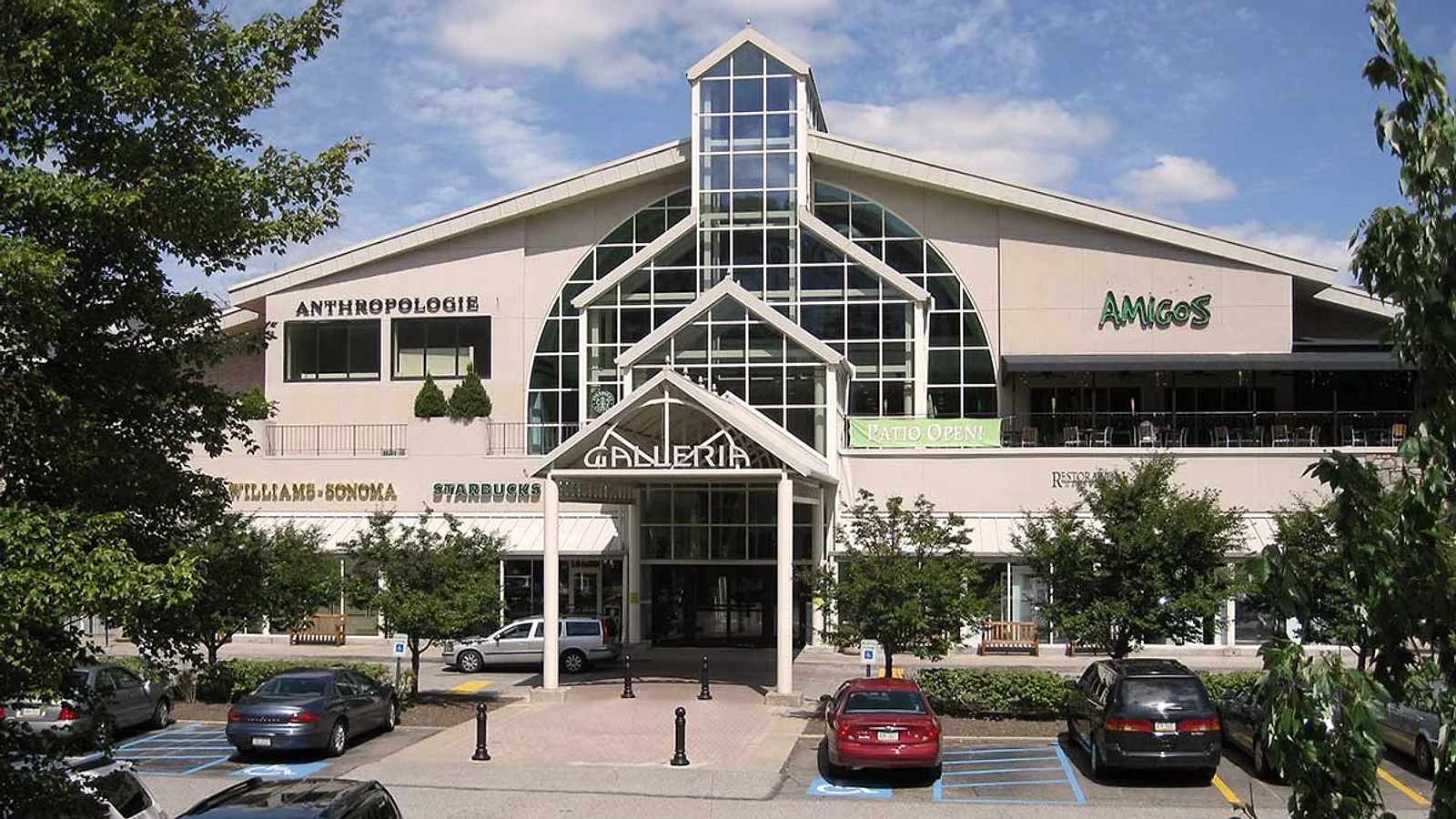
Wegmans has announced it’s coming to the Galleria. A lot of people are excited about it, and I’ve also heard some version of the same questions from a lot of residents. Why weren’t we told? Who decided this? Shouldn’t the community get a say?
I understand why people feel that way. The Galleria has been part of the South Hills since the old Kaufmann’s was turned into an indoor mall in 1988, and plenty of families have built routines around it, from dinner out to holiday shopping. When a place like that changes it can feel personal. But I want to be straight about how this works, because I think a lot of the frustration comes from expecting the municipality to have a role it doesn’t actually have.
I should also say where I sit. If a plan for the Galleria comes before the Commission, I’ll be one of the people voting on it. So I’m not going to tell you what I think of a plan that isn’t in front of us. What I can do is explain the process and where your voice carries real weight.
The Galleria is private property. Roadside Development bought it this spring, and who they lease to, whether they renovate or rebuild, and how they negotiate with tenants are their decisions to make within the law. It’s the same principle as selling your house. Your neighbors don’t get to approve the buyer, and neither does the Commission. The scale is much bigger at the Galleria but the principle doesn’t change, and it’s one I’d want protected if it were my property.
That doesn’t mean the community has no stake. A 15-acre site on Washington Road affects traffic, stormwater, pedestrian safety and the businesses around it. Those are legitimate public interests, and that’s what zoning and land development rules exist to protect. In Pennsylvania those rules come from the Municipalities Planning Code, and residents get their say when the rules are written, often years before any particular project shows up.
The part that I think gets lost is that once those rules are on the books, they bind the municipality too. If a land development plan meets the requirements of our ordinances, we’re required to approve it. We can’t turn it down because it’s unpopular, and we can’t invent new conditions because some of us would prefer a different tenant. Where a project needs a conditional use from the Commission, or a variance or special exception from the Zoning Hearing Board, there’s more discretion and a public hearing, and residents can and should show up. The question at that hearing is whether the project meets the standards the ordinance sets. I’d want that same protection for any homeowner in town who follows the rules and then gets a rough reception at a public meeting.
On whether the municipality knew about this before it was announced: municipal staff talk with property owners, brokers and prospective developers all the time. They answer zoning questions, explain what an application involves and talk through infrastructure. That’s their job, and it’s part of how a community attracts reinvestment. Those conversations aren’t approvals, and a private lease negotiation isn’t the municipality’s to announce. When the Commission is actually asked to decide something (a rezoning, a land development plan, a conditional use, public money), the process is public and it should be. I also think government should communicate early and openly whenever it can, so residents can tell what’s been proposed and which parts are actually ours to decide.
Where residents have the most influence right now is the rewrite of our zoning and subdivision and land development ordinances, which is underway now and follows the comprehensive plan we adopted in 2023. Those ordinances haven’t had a full update since the early 2000s. What gets decided there will shape what can be built at the Galleria and across our commercial districts for years: how those districts handle the shift away from traditional retail, how large sites connect to sidewalks and the neighborhoods behind them, what we expect for landscaping and parking. It’s a lot easier to have that conversation before a property owner has bought a site and signed a lease than after.
The Galleria has already reinvented itself once, and malls that don’t adapt tend to decline slowly, which nobody in Mt. Lebanon wants. Whatever comes next there will get a fair review under the rules we’ve set together. When there’s an actual plan to look at, I’ll make sure residents know how and when to weigh in. In the meantime, the Planning Board meets the third Tuesday of each month and the zoning update has its own page on the municipal website. If you care about what the Galleria becomes, that’s where I’d put the energy.
Andrew Flynn is a Commissioner in Mt. Lebanon, Pennsylvania, a municipal advisor working in public finance, and a volunteer firefighter and EMT. He writes about whether public institutions can still do what we ask of them. More about Andrew.