Leadership rooted
in service.
I’m a commissioner in Mt. Lebanon, I advise local governments on public finance, and I’m a volunteer firefighter and EMT. Each of those jobs keeps me honest about the other two.
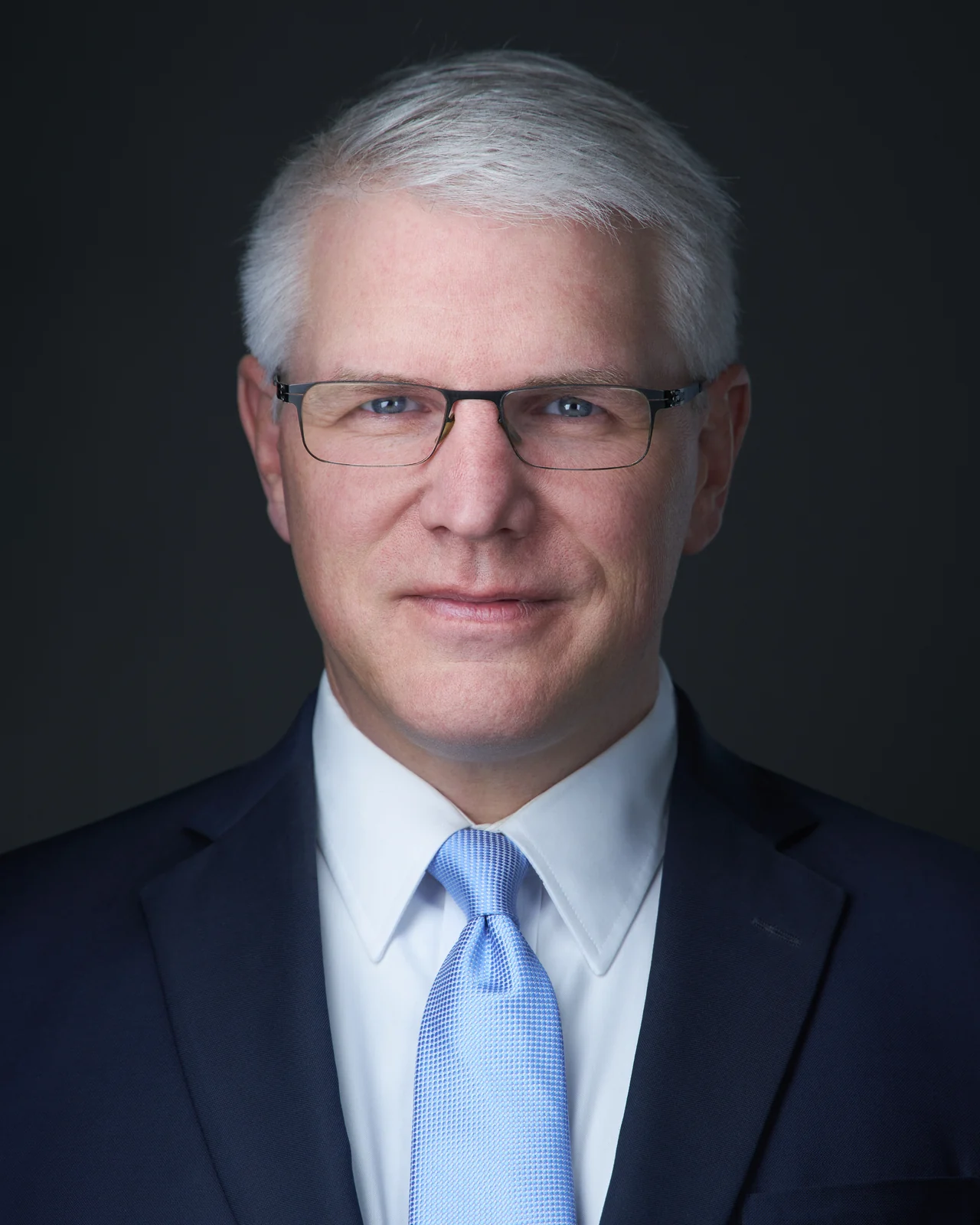
- Elected office
- Commissioner, Mt. Lebanon, Pennsylvania
- Regional
- President, CONNECT
- Profession
- Public finance
- Service
- Firefighter & EMT
Views expressed here are those of Andrew Flynn alone and are not those of the Municipality of Mt. Lebanon, Medical Rescue Team South Authority (MRTSA), The Congress of Neighboring Communities (CONNECT), or CalMuni Advisors, and are not investment, financial, or municipal advisory advice.
Closest to daily life is where it matters most.
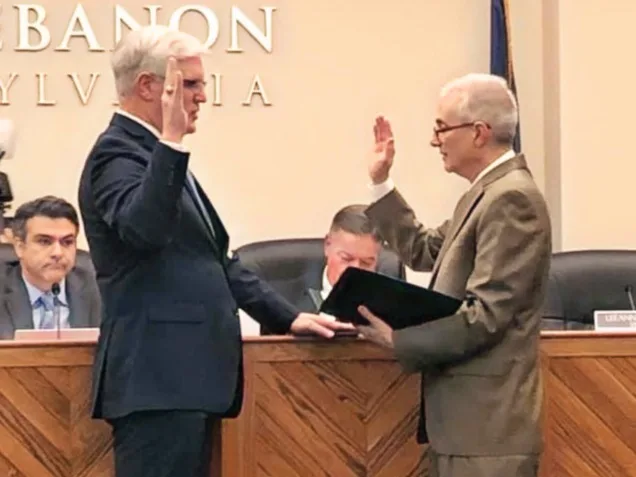
I serve as Commissioner for Ward 5 in Mt. Lebanon, Pennsylvania, where the work is practical governance, responsible planning, and the long-term strength of the community. Local government matters most when it is closest to people’s daily lives and capable of meeting real needs.
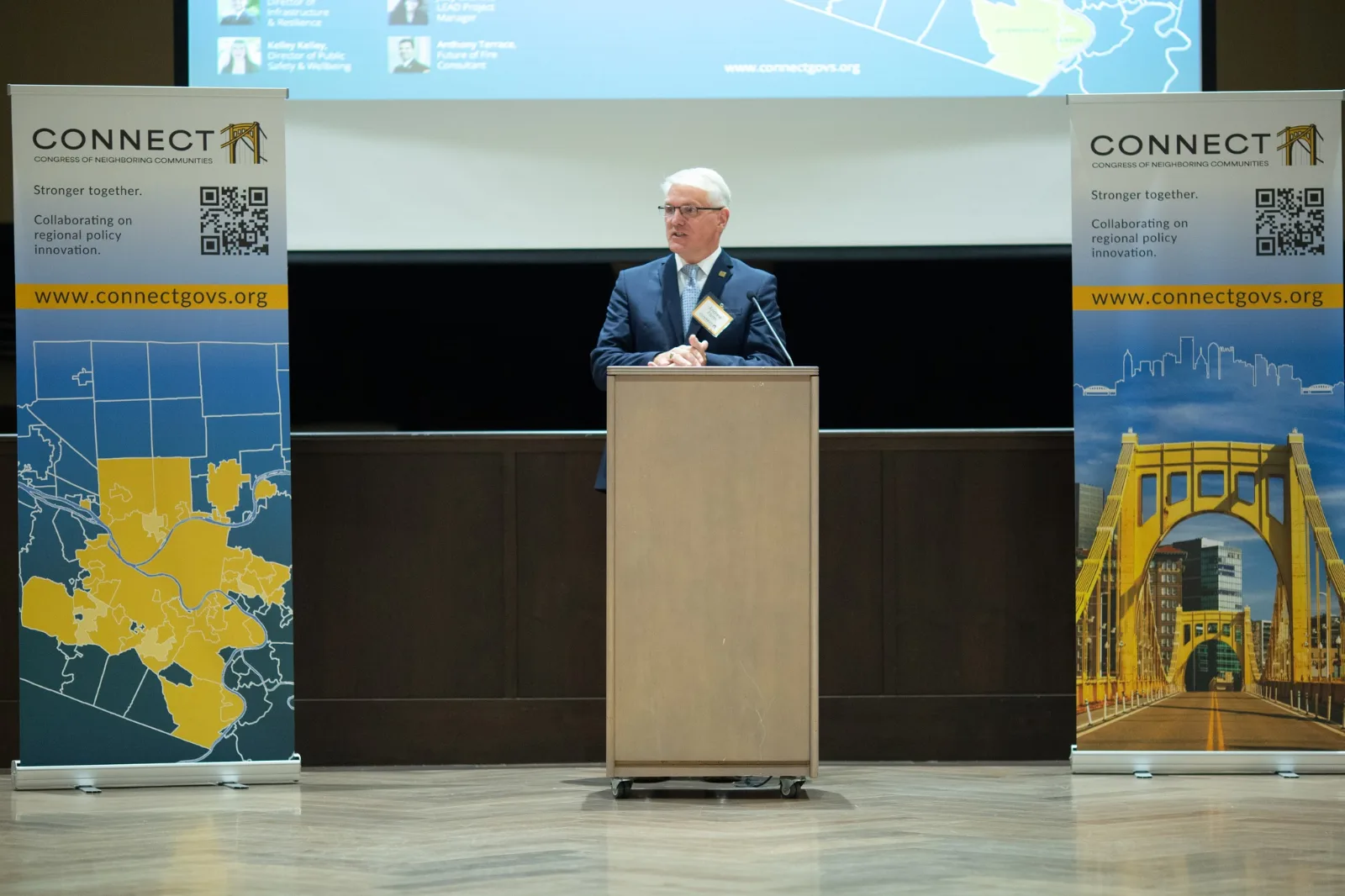
I am also President of CONNECT, the Congress of Neighboring Communities, a coalition of 41 municipalities together with Allegheny County and the City of Pittsburgh. That work has reinforced something I keep running into: the region’s biggest problems cannot be solved by any one institution acting alone. They require durable partnerships and a willingness to build capacity across local government.
What separates strong public organizations from weak ones.
Most of my career has been in public finance and government strategy, working on long-range financial plans, pensions and OPEB, capital programs and the decisions that determine whether a community can pay for what it has built. Before that I worked in technology and enterprise architecture, and I served as Chief Administrative Officer for Public Finance at BNY Mellon.
What I’ve learned is that the difference between strong and weak public organizations is rarely about intentions. Almost everyone I’ve worked with wants to do the right thing. The ones that struggle usually haven’t planned far enough ahead or been honest with themselves about risk, and even when they have, they often don’t have the staff and systems to follow through on what they decided.
Service in its most direct form.
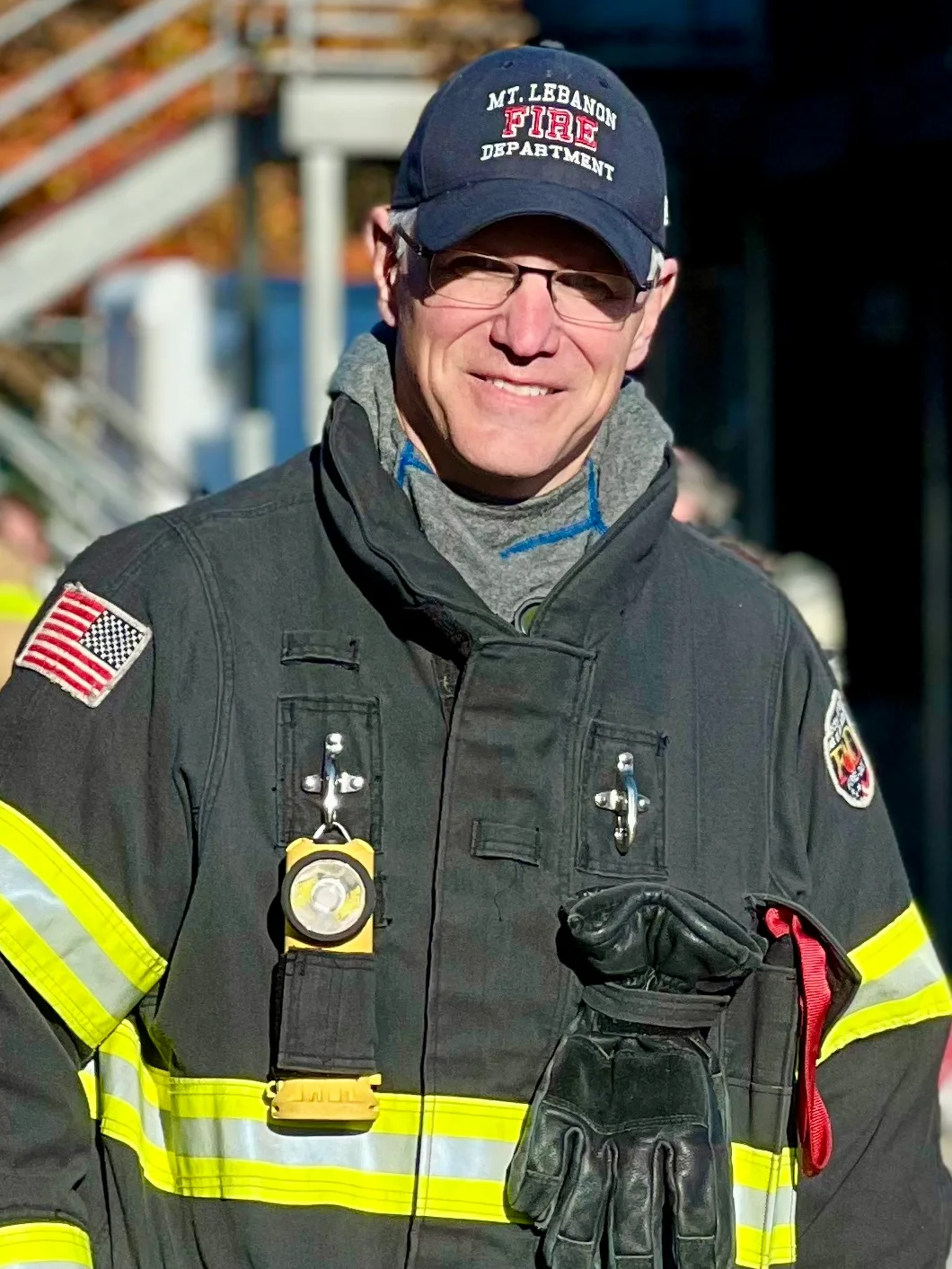
I’m a volunteer firefighter and EMT with the Mt. Lebanon Fire Department, and that work has taught me more about what a community actually needs from its emergency services than any conference ever has.
On a call nobody cares what your title is. What matters is whether you trained for it and whether you and your crew can work together when someone needs help, and that depends on a lot of unglamorous preparation that happened long before the call came in.
Where the habits came from.
I grew up in a family shaped by public service. Both of my parents served in the Army, and after my father retired from the military he went on to work in city government as a finance director and city manager. The lesson that stuck with me from watching him was that the title matters a lot less than the responsibility that comes with it.
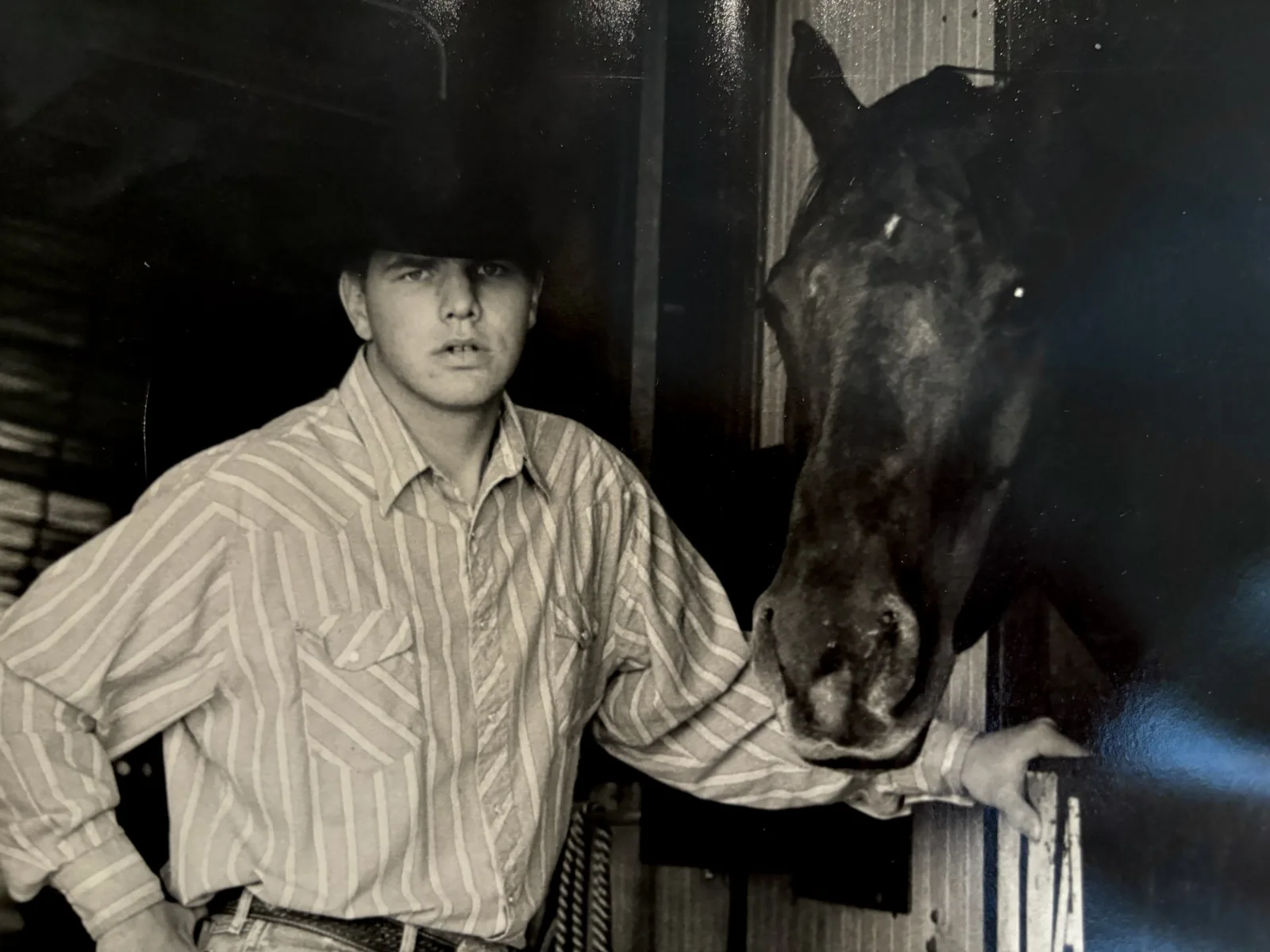
My own path took a few turns. I lived in West Germany as a boy, studied in Russia while the country was going through its post-Soviet transition, and spent time working as a ranch hand in Wyoming and Montana. One of those ranches stretched across 150 square miles and there were seven of us responsible for all of it. When a truck broke down you figured out how to get it running again.
My wife Corey and I have lived in Mt. Lebanon since 2010 and are raising our family here.
Four commitments.
Government should be capable.
Public institutions should be able to do what they promise, and do it well.
Government should be accountable.
Trust has to be earned and then kept, and the only way I know to do that is to be honest about what’s working and what isn’t.
Government should think long term.
Deferred maintenance and deferred costs don’t go away. They land on someone else later, usually at a higher price.
Public service is stewardship.
Whoever holds an office is holding it for a while on behalf of the people who come next. The job is to leave it in better shape than you found it.
Meet needs. Sustain systems. Preserve choice.
The short form of a longer argument about institutional capacity. Governing Room is where it is worked out.
Occasional notes, when there is something worth sending.
New essays and the occasional working note on public finance, local government, and civic institutions. No campaign mail. No forwarding of your address to anyone.