Democracy needs institutions
that can deliver.
Most of what I write comes back to whether the public institutions we rely on can actually do what we ask of them, from a township’s street program to Congress.
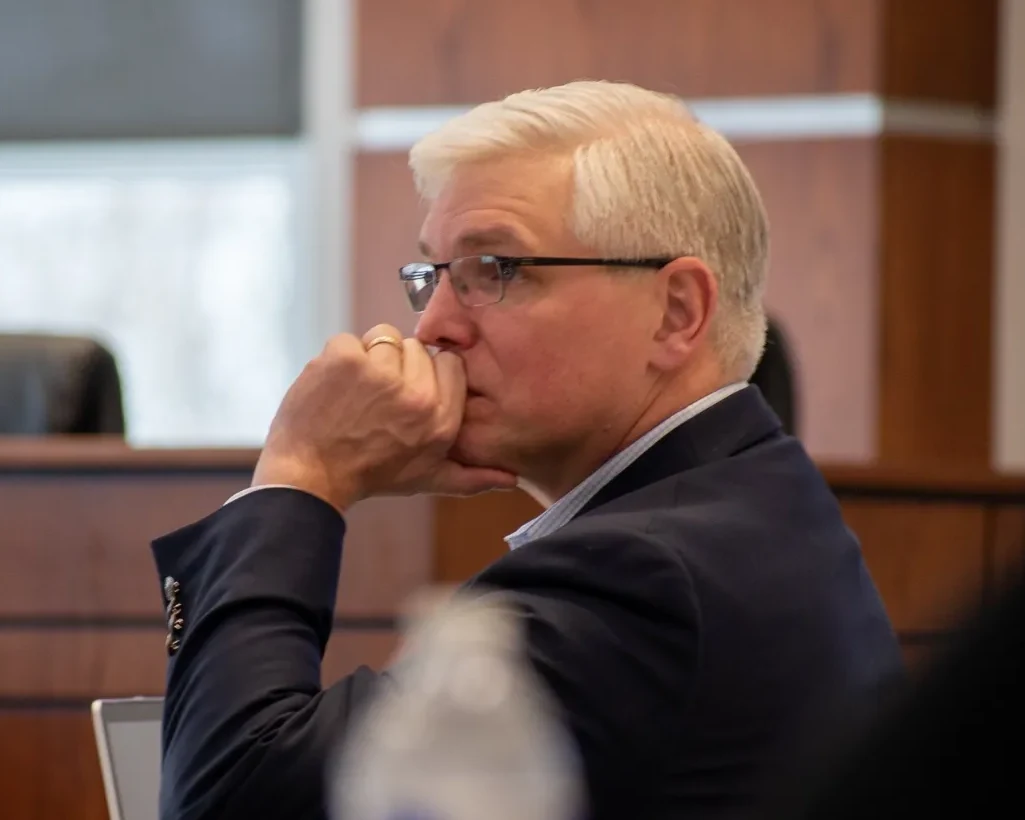
A practitioner’s view of the institutions we share.
- Elected office
- Commissioner, Mt. Lebanon, Pennsylvania
- Regional
- President, CONNECT
- Profession
- Public finance
- Service
- Firefighter & EMT
Views expressed here are those of Andrew Flynn alone and are not those of the Municipality of Mt. Lebanon, Medical Rescue Team South Authority (MRTSA), The Congress of Neighboring Communities (CONNECT), or CalMuni Advisors, and are not investment, financial, or municipal advisory advice.
Competence is a public value.
I think public institutions should be judged on whether they can actually deliver, which means building and maintaining what a community depends on and finding an honest way to pay for it. The arguments matter, but most of the work happens after they’re over.
Writing about the work of governing.
The World Is Not Waiting for America
A week in Hyderabad showed me a city growing faster than its streets can hold. It also changed the questions I ask about how America treats talent, growth, and its own future.
Read the essayThe room to govern.
Good government requires more than balanced budgets and good intentions. It requires the capacity to act: enough financial, physical, and organizational room to meet today’s needs, sustain what has already been built, absorb shocks, and still make choices about tomorrow.
When an institution starts getting weaker, you usually see it first in the options. There are fewer good ones each year, long before anything looks like a crisis.
Where practice meets policy.
plus a wider civic argument.
Effective Government
Whether a public organization can actually do what it says it will, and what it takes to get it there.
Explore the workFiscal Stewardship
Long-term obligations, capital planning, and the discipline to pay for the public systems we choose to use.
Explore the workStrong Communities
Safety, mobility, housing, schools, and public space: the ordinary conditions that decide whether people can build a life in a place.
Explore the workDemocracy & Institutions
Whether people can still act together and finish what they start, in a township or a country. Local competence and national credibility are the same problem at different scales.
What I’m working on now.
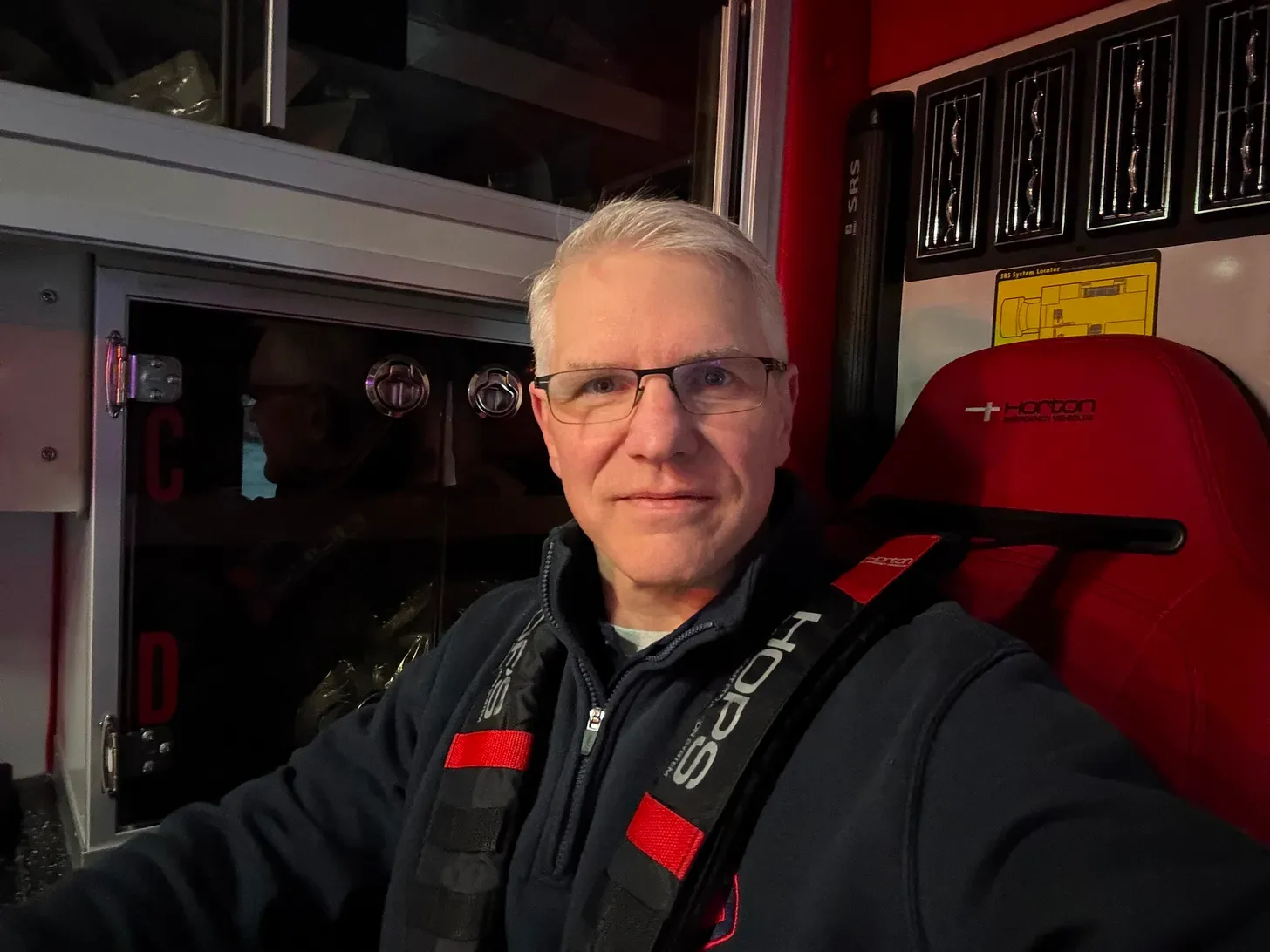
I do this work in three places at once.
I serve as a Commissioner in Mt. Lebanon, Pennsylvania, advise local governments on public finance, and respond as a volunteer firefighter and EMT. The three roles keep correcting each other. Budgets look different when you have stood in the building they pay for, and policy reads differently when you have to answer for it at a public meeting.
Most of what I write starts as a problem I could not resolve in one of those rooms.
Read the longer versionOccasional notes, when there is something worth sending.
New essays and the occasional working note on public finance, local government, and civic institutions. No campaign mail. No forwarding of your address to anyone.