The Next Person at the Lectern
We measure public leaders by what they accomplish in office. The harder test is what happens after they leave: whether the institution grew stronger, and whether more people became capable of leading.
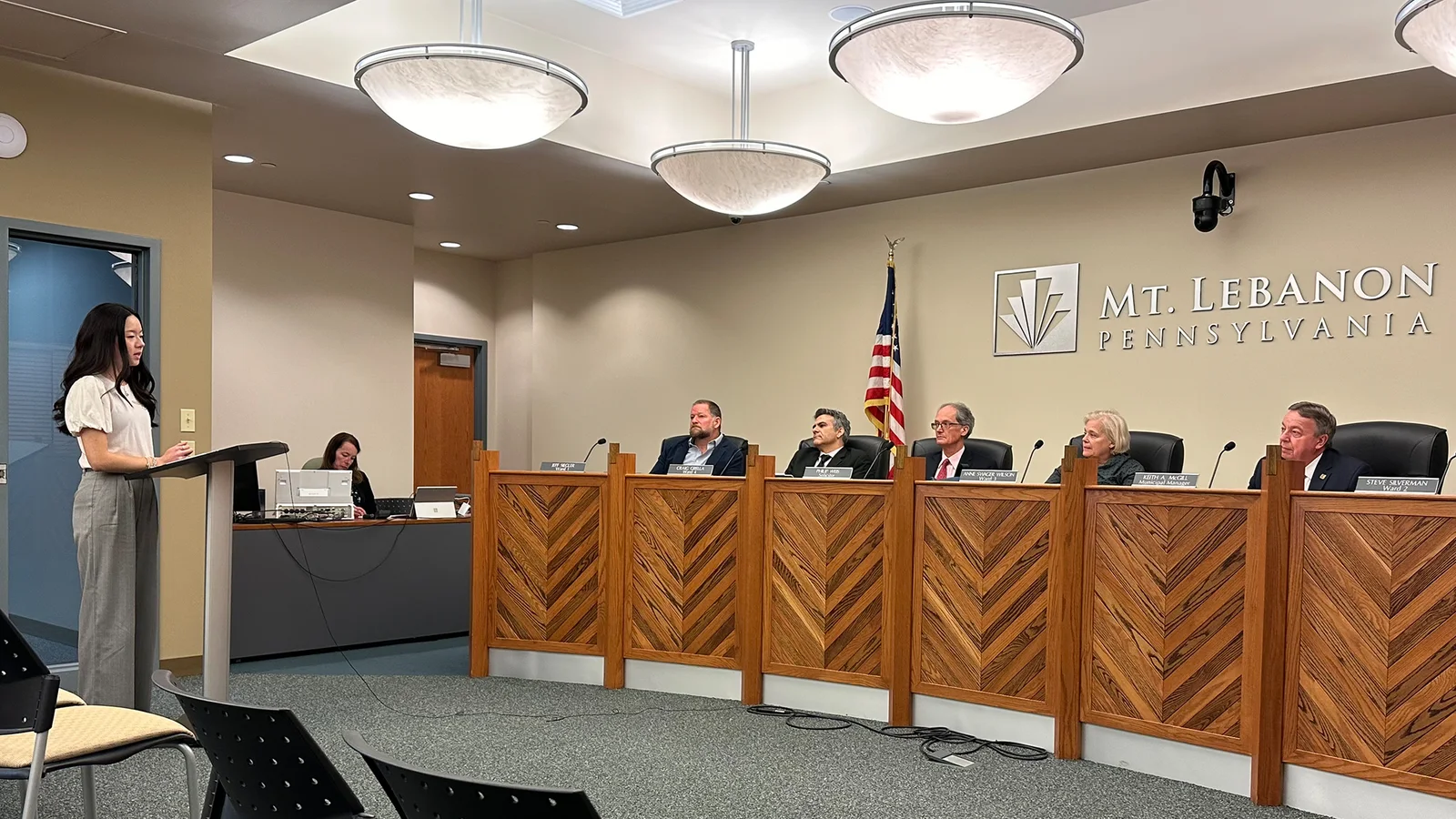
We spend a great deal of time talking about what leaders accomplish while they are in office. We measure projects completed, budgets passed, legislation adopted, elections won and crises managed. Those things matter. Public officials are entrusted with real authority, public resources and institutions that have to work.
But there is another measure of leadership that receives far less attention: what happens to a community after the leader is gone. Did the institution become stronger? Did people gain confidence in their ability to participate? Did new leaders emerge? Did the community become more capable of solving problems for itself? Or did everything depend on the person who happened to hold the title?
The distinction matters because public service is ultimately an act of stewardship. None of us owns the office we occupy, the institution we lead or the community we serve. We inherit them from people who came before us, make decisions about them for a period of time and eventually hand them to someone else. The best public leaders understand that instinctively.
Leadership as stewardship
Modern political culture tends to reward a very different model of leadership. We celebrate combativeness. We reward visibility. Political organizations often measure success by how effectively someone defeats an opponent, commands attention or controls an institution.
Those skills are sometimes necessary. Leadership occasionally requires confrontation, unpopular decisions and the willingness to withstand criticism. But governing is fundamentally different from campaigning. Campaigning asks people to choose sides. Governing asks people with different interests and perspectives to keep living together afterward.
That requires a different disposition. Stewards enter office understanding that the institution existed before them and should continue long after them. The objective is not simply to exercise authority effectively. It is to strengthen the capacity of the institution itself.
That changes how a leader behaves. A steward shares information instead of hoarding it, because informed people make stronger institutions. A steward does not treat disagreement as disloyalty, because disagreement is inevitable in any healthy community. And a steward does not keep company only with people who affirm every decision, but makes room for others to develop judgment, confidence and responsibility.
Most important, a steward understands that leadership should create more leadership. A successful civic leader should leave behind more people prepared to lead than existed when that leader arrived.
The pastoral responsibility of public service
There is something almost pastoral about this responsibility. I do not mean that public officials should become ministers, counselors or moral authorities. Public office is not a pastoral office. I mean something more basic: a leader should feel responsible for the health of the community in their care.
A good pastor does not simply deliver a sermon once a week. The deeper work is maintaining a community: listening, encouraging participation, helping people work through disagreement, recognizing emerging leaders and paying attention to those who might otherwise drift away. Public leadership carries a similar obligation. It means seeing people not merely as voters, taxpayers, supporters or opponents, but as members of a community whose lives are shaped by the decisions being made. It means noticing who is participating, who is absent and who might have something more to contribute.
Communities are not abstractions. They are networks of relationships, habits and shared responsibilities, maintained through countless small acts of participation: serving on a board, coaching a team, volunteering at a fire department, attending a public meeting, organizing a neighborhood event, or simply deciding that something in the community is worth improving. Those habits do not sustain themselves. Someone has to invite people into them.
This may be one of the most overlooked responsibilities of elected officials and civic leaders. It is easy to think the job is to make decisions. Part of the job is also to create pathways through which other people can begin making decisions themselves, and that starts with noticing people.
In practice, it is unglamorous. It is noticing the resident who keeps asking thoughtful questions at meetings, or the young professional who has started showing up at community events. It is recognizing the volunteer who quietly takes responsibility when something needs to get done. It is asking someone who has never served to consider a seat on a board or commission, and explaining how the institution actually works instead of treating that knowledge as something insiders acquire over years.
Sometimes leadership is simply saying to another person: You should be involved in this. I think you could contribute.
Those invitations matter more than we realize. Many people who become deeply involved in civic life did not begin with a plan to enter public service. Someone noticed them. Someone asked them. Someone opened a door. Someone trusted them with responsibility before they were certain they were ready. Strong civic institutions create those moments on purpose.
We should be producing leaders
There is an uncomfortable tendency in public life for leaders to become indispensable. Sometimes that happens because someone is extraordinarily capable. More often it happens because institutions quietly organize themselves around particular personalities. That can feel like success while the leader is present. It is usually evidence of institutional weakness.
If a board cannot function without its chair, if an organization cannot operate without its executive director, or if a community cannot imagine who might serve after a long-tenured official leaves office, something has gone wrong. Leadership should build capacity, not dependency.
That requires giving people meaningful responsibility: letting newer leaders chair meetings, lead projects, represent the organization and sometimes make mistakes. It requires resisting the instinct to step in simply because an experienced leader could get it done faster. Efficiency and leadership development are not always the same thing. The fastest way to complete a task may be to do it yourself. The stronger way to build an institution may be to let someone else learn how.
This matters especially at the local level. City councils, municipal commissions, school boards, authorities and volunteer organizations are where many people first learn how public life actually works. They learn that budgets involve tradeoffs and that reasonable people can disagree without becoming enemies. They see that infrastructure, parks, public safety and land use take years of planning and cooperation, and that change is usually slower and more complicated than it looks from outside.
Those experiences produce better citizens even when they do not produce future elected officials. But sometimes they do. The county executive, state legislator, member of Congress or nonprofit leader of twenty years from now may be sitting quietly at a planning commission meeting today, wondering whether public service is something they could ever imagine doing. Someone should notice them.
Leaving the door open
The hardest part of stewardship comes last: eventually, you have to leave. Public service can become deeply intertwined with identity. People begin to associate the institution with the person leading it, and leaders can begin to believe their continued presence is necessary for the work to succeed.
Sometimes it is. But institutions that depend permanently on particular individuals are fragile institutions.
A steward has to know when the work requires continuity and when it requires making room. That does not mean experience loses its value. Former officials, longtime volunteers and civic leaders can remain enormously important as mentors, advisers and sources of institutional memory. But there is a difference between supporting the next generation and standing in its way.
The most secure leaders can watch someone else take responsibility. They can offer advice without demanding control, celebrate improvements they did not start, and accept that the next generation will make different choices. They can recognize that the point was never to create another version of themselves. It was to leave behind people capable of exercising judgment and responsibility on their own.
That is not a failure of their leadership. It is one of its purposes.
The test of leadership
Communities face real challenges, and more of them than we admit come down to people. Pennsylvania had an estimated 300,000 volunteer firefighters in the 1970s. By 2018, that number had fallen to about 38,000, according to the state Senate Resolution 6 Commission. The commission described the continuing decline in emergency-service volunteers as an unfolding public safety crisis.
Fire companies are the starkest case. But anyone who has spent time in local civic life has seen quieter versions of the same problem. Authority boards struggle to find members. Advisory commissions depend on the same handful of people year after year. Nonprofits discover that the people who have carried an organization for decades cannot carry it forever. Too often we recognize the succession problem only when the person we depended upon is ready to leave.
These problems will not be solved by finding a handful of extraordinary people and asking them to carry more. We need more people capable of carrying responsibility themselves.
Part of the stewardship of an institution is therefore stewardship of its future leadership. Developing people is not an extracurricular activity of public service. It is part of the work of sustaining democratic institutions.
Every generation inherits institutions it didn’t create, some in good shape and some needing real repair. Our job is to take care of what we were handed and make sure there are people ready to keep it going when it’s their turn. For most of us in these roles, that starts at the next meeting, by looking around the room and asking someone to get involved.
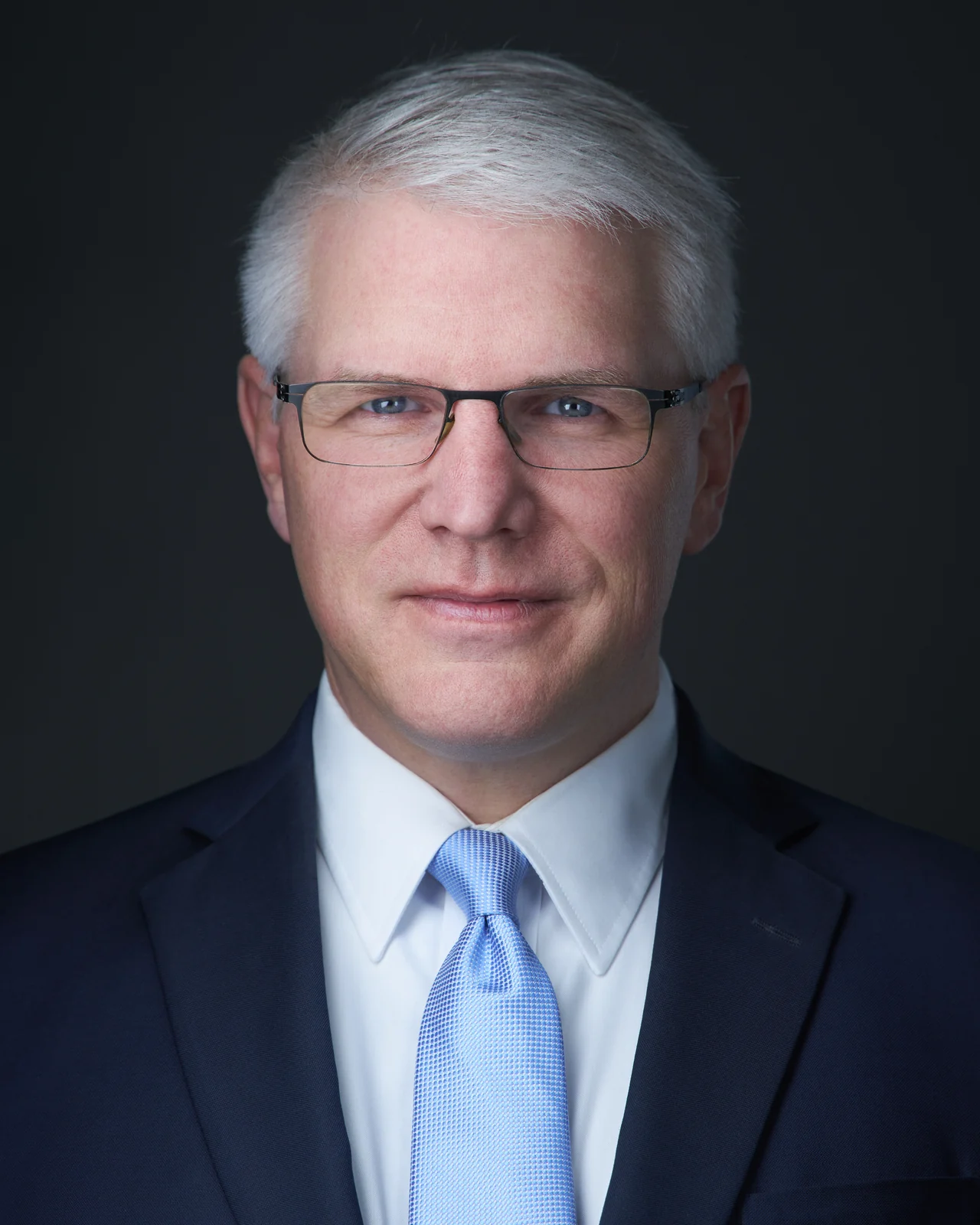
Andrew Flynn is a Commissioner in Mt. Lebanon, Pennsylvania, a municipal advisor working in public finance, and a volunteer firefighter and EMT. He writes about whether public institutions can still do what we ask of them. More about Andrew.