The Gold Helmet Is About the Firefighters Who Come After Us
My department did not win anything to become a Gold Helmet Department. At least half of us agreed to become data in a national cancer registry, for firefighters we will never meet.
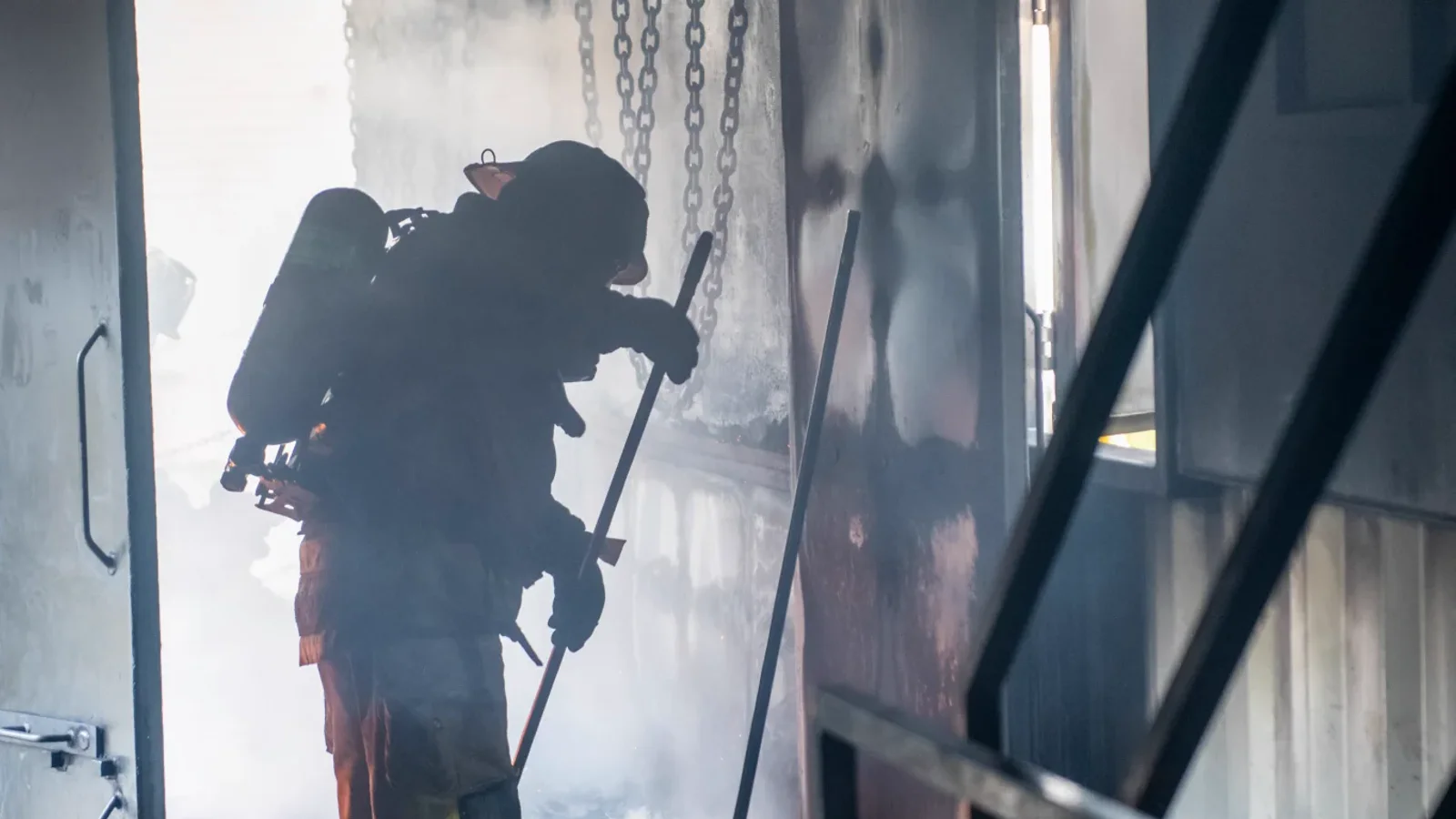
The Mt. Lebanon Fire Department was recently recognized as a Gold Helmet Department by the National Institute for Occupational Safety and Health. It is an honor worth celebrating, but what interests me most is what the recognition actually represents.
There was no competition involved. Nobody ran faster, climbed higher or put more water on a fire. The recognition comes because enough of our firefighters chose to enroll in the National Firefighter Registry for Cancer, a national research effort built to understand one of the most consequential occupational risks in the fire service.
To qualify, at least half of a department’s active firefighters, or more than 300 in a larger department, must enroll. Ours cleared that bar. NIOSH verifies the count itself and does not share it, even with the department. Each firefighter who enrolls answers questions about their work history, the calls they have run and the exposures they have accumulated, and agrees to let researchers follow their health over time.
That can sound like a small thing. Fill out a form. Become a data point. That is exactly why I think it matters.
Firefighting has always carried risks that are immediately visible. Fire, collapsing structures, traffic and physical injury are easy to understand because the danger is right in front of us. The harder risks accumulate quietly. They come home on gear, enter the body through smoke and contaminated surfaces, and sometimes do not reveal themselves for decades.
In 2022, the International Agency for Research on Cancer, the World Health Organization’s cancer agency, classified occupational exposure as a firefighter as carcinogenic to humans, its highest category. The fire service has changed how it works as that evidence has built. We clean our gear differently. We think differently about contaminated equipment. We are more conscious of what firefighters breathe, what they touch and what they carry back into the station and their homes.
But a classification tells you that a risk exists. It does not tell you which exposures matter most, how the risk differs by assignment, geography or career length, or which changes in practice actually reduce cancer rather than simply feeling safer. Much of the evidence we do have comes from large urban career departments. A landmark NIOSH study of nearly 30,000 career firefighters in Chicago, Philadelphia and San Francisco found a 9 percent higher rate of cancer diagnoses and a 14 percent higher rate of cancer deaths than in the general population. But roughly three in five American firefighters are volunteers, and their experience has been far less studied.
That is the gap the registry is designed to close. Enrollment is open to career and volunteer firefighters, active and retired, with or without a cancer diagnosis. Its value comes from scale. One firefighter’s cancer is a tragedy. Tens of thousands of work histories, followed over years, become evidence, and they reveal patterns that no one could see by looking at individual cases.
There is a lesson in that for a department like ours, where career and volunteer firefighters serve side by side.
Fire departments are built around an unusually strong idea of mutual obligation. When the tones drop, the expectation is simple: you show up, because someone is depending on you. The public certainly is, but so are the firefighters beside you.
That obligation does not end when the apparatus backs into the station. Looking after one another also means building a fire service in which the person who joins twenty years from now faces fewer risks than the firefighter who serves today. It means learning from injuries, improving equipment, changing operating practices and contributing to research even when the benefit may never reach us directly.
So the Gold Helmet is less interesting to me as an award than as evidence of a culture. At least half the members of this department independently decided that contributing to this research was worth doing. They took experiences that are intensely individual and added them to a collective body of knowledge. That is how institutions learn.
Many of the protections firefighters now take for granted exist because earlier generations documented what was happening to them and challenged assumptions about what simply had to be accepted as part of the job. The fire service learned that some traditions were actually risks, that some forms of toughness were needlessly dangerous, and that taking firefighter health seriously does not diminish the mission. It strengthens our ability to perform it.
Better answers still require better data, which makes participation in the registry a form of service in its own right.
We usually think of public service as the immediate act: answering the call, responding to the emergency, helping the person standing in front of us. Those moments matter enormously. Stewardship asks something more. It asks whether we are leaving the institution stronger than we found it.
A firefighter enrolling in the registry today may help a researcher identify a risk years from now. That research may change a piece of protective equipment, a decontamination procedure or an operating standard. A firefighter joining the service decades from now may benefit without ever knowing the names of the people whose experiences made that change possible.
There is something deeply consistent with the fire service in that. Most of what firefighters do is for people they do not know.
This is no different.
I am proud that our department has earned the Gold Helmet designation. I am even prouder of what was required to earn it: firefighters deciding that their own experiences could become part of something larger, and looking out not only for the firefighters standing beside them today but for those who will climb onto the apparatus long after we are gone.
That is a recognition worth wearing.
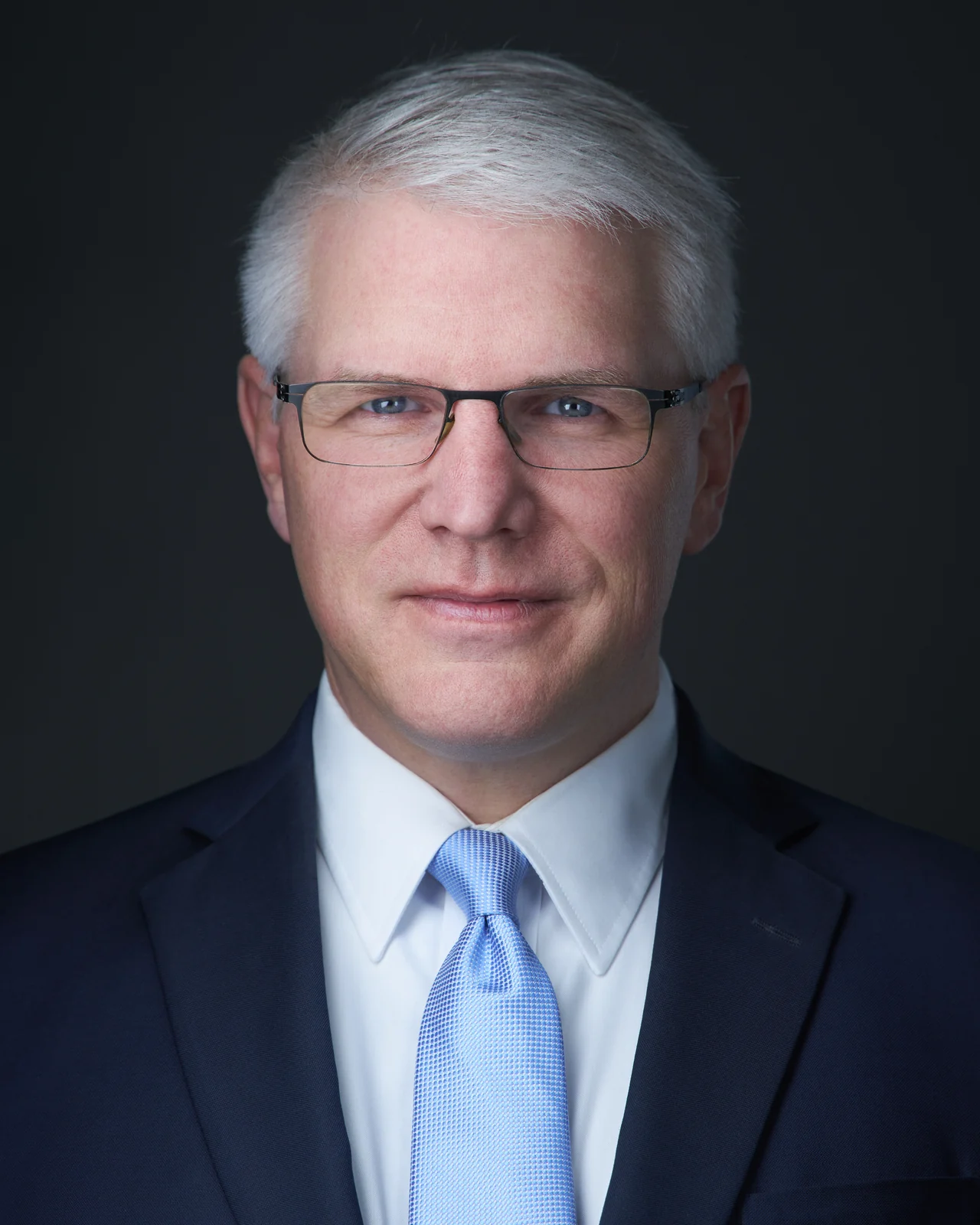
Andrew Flynn is a Commissioner in Mt. Lebanon, Pennsylvania, a municipal advisor working in public finance, and a volunteer firefighter and EMT. He writes about whether public institutions can still do what we ask of them. More about Andrew.